The Food GlossaryAbout this edition
Research draft — full chapter unapproved. Only the specifically cited claim or USDA panel below has a limited check; older research notes remain unverified. Do not use this chapter as foraging, preservation, or medical guidance. A checked claim applies only to its cited wording.

Book readiness · Identity 06

Food identity and publication boundary

Canonical identity
Zucchini with skin, raw
Scientific identity
Cucurbita pepo L.; zucchini summer-squash cultivar group.
Edible part
Immature fruit flesh and skin; flowers, mature fruit, seed, stems, and leaves are separate.
Source form
Squash, summer, zucchini, includes skin, raw, corresponding to USDA FoodData Central FDC 169291.
Do not merge with
Peeled zucchini, cooked squash, noodles, bread, pickles, flowers, mature marrow, seeds, oils, other summer squash, and finished foods.
Safety boundary
Extreme bitterness can signal elevated cucurbitacins; do not eat intensely bitter zucchini and do not assume cooking makes it safe.
Publication decision
Identity, edible part, and exact source form defined; proceed to narrative-claim and final nutrient-context review.

Source 1 · Source 2 · Source 3

Book readiness · Publication 05

Publication fact set and claim boundary

Editorial status
Fact set ready for controlled rewrite
Canonical identity
Zucchini with skin, raw
Scientific identity
Cucurbita pepo L.; zucchini summer-squash cultivar group.
Edible part
Immature fruit flesh and skin; flowers, mature fruit, seed, stems, and leaves are separate.
Exact source form
Squash, summer, zucchini, includes skin, raw, corresponding to USDA FoodData Central FDC 169291.
Authoritative control
Poison Control and university extension identify unusually bitter Cucurbita pepo as a possible high-cucurbitacin exposure. Reported symptoms include nausea, vomiting, diarrhea and abdominal pain, with dehydration and more severe effects possible. Cooking does not reliably remove the toxin, so strong bitterness is a stop signal rather than a seasoning problem.
What the human evidence supports
Ordinary mild zucchini is not implicated. The evidence supports discarding an abnormally, intensely bitter fruit and food permeated by it; it does not support rescuing it by peeling, salting, adding acid or prolonged cooking. Home-saved seed and volunteer plants are important variables, but commercial fruit is not risk-free.
Remove or qualify
Do not merge this chapter with: Peeled zucchini, cooked squash, noodles, bread, pickles, flowers, mature marrow, seeds, oils, other summer squash, and finished foods. Remove or qualify medical-treatment, universal-safety, cross-species, cross-part, cross-product, and cross-preparation claims unless an exact source is reviewed for that wording.
Safety boundary
Extreme bitterness can signal elevated cucurbitacins; do not eat intensely bitter zucchini and do not assume cooking makes it safe.
Limitations and unresolved variables
Do not swallow a test portion. If a raw taste is intensely bitter, spit it out and discard the fruit; if bitterness has spread through a dish, discard the dish. For symptoms or a meaningful exposure, contact Poison Control or local urgent medical services, especially with persistent vomiting, dehydration, low blood pressure or confusion.
Publication decision
Bounded fact set is ready for controlled chapter rewrite; the legacy chapter and its broader claims remain unapproved.
Legacy narrative status
No legacy narrative sentence is approved by this fact-set decision. It must be rewritten from, or checked individually against, the bounded facts and exact sources recorded here.

Source 1 · Source 2 · Source 3 · Source 4 · Source 5 · Source 6 · Source 7

Visual orientation

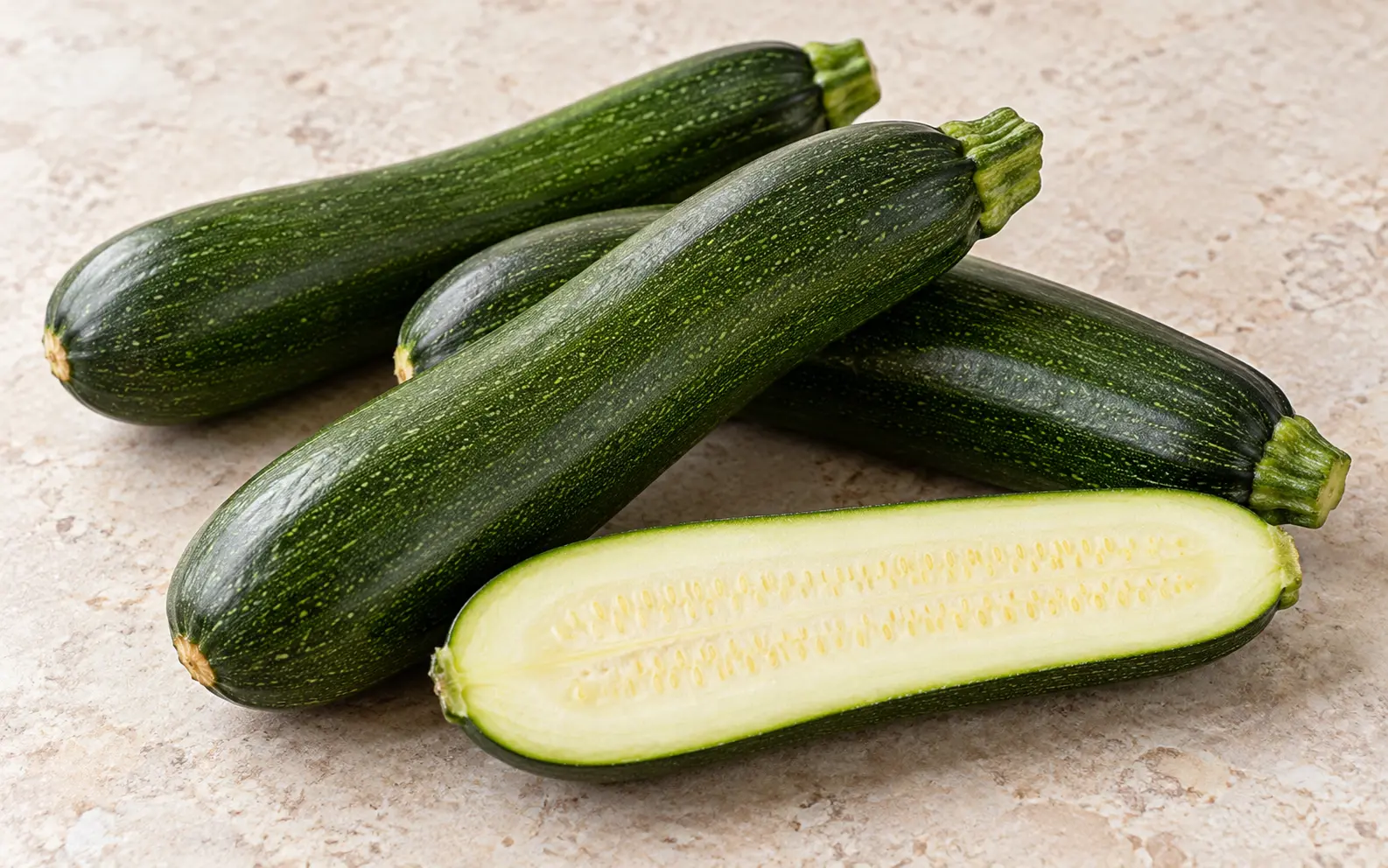
Exact-form visual pair

Zucchini shown in the exact edible form covered by this chapter.
Editorial portraitZucchini: image must match the chapter’s stated edible part and source form.
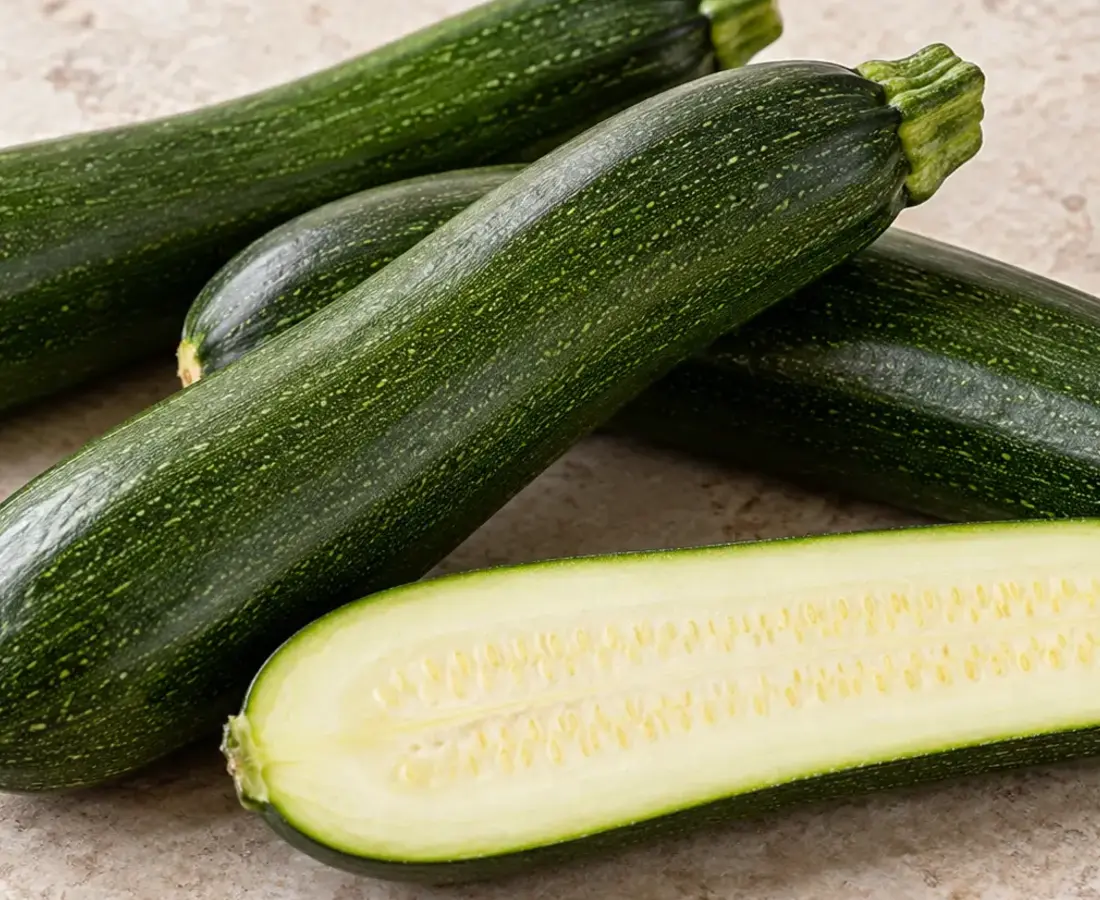
Close detail of Zucchini in the edible form covered by this chapter.
Edible-form detailZucchini: close editorial detail of the chapter’s stated edible form.

Editorial boundary: These AI-generated orientation images must not be used to identify wild foods, judge edibility, prove safe preparation, or diagnose spoilage. The verified safety-image panel and written guidance control where present.

Book readiness · Rewrite 05

Controlled chapter rewrite

What this entry covers

Zucchini with skin, raw. Scientific identity: Cucurbita pepo L.; zucchini summer-squash cultivar group. Edible part: Immature fruit flesh and skin; flowers, mature fruit, seed, stems, and leaves are separate. Exact source form: Squash, summer, zucchini, includes skin, raw, corresponding to USDA FoodData Central FDC 169291.

The human question and observed experience

Question: If zucchini tastes intensely bitter, can peeling, salting or cooking make it safe?

Repeated experience: Multiple independent discussions describe homegrown or store-bought zucchini that looked normal but made an entire curry, fritter or meat dish intensely bitter. Some posters suggest peeling, removing seeds or masking the taste, while others discard the whole food. A few report symptoms, but anxiety, amount eaten and medical follow-up are inconsistent.

Authoritative control

Poison Control and university extension identify unusually bitter Cucurbita pepo as a possible high-cucurbitacin exposure. Reported symptoms include nausea, vomiting, diarrhea and abdominal pain, with dehydration and more severe effects possible. Cooking does not reliably remove the toxin, so strong bitterness is a stop signal rather than a seasoning problem.

What the combined evidence supports

Ordinary mild zucchini is not implicated. The evidence supports discarding an abnormally, intensely bitter fruit and food permeated by it; it does not support rescuing it by peeling, salting, adding acid or prolonged cooking. Home-saved seed and volunteer plants are important variables, but commercial fruit is not risk-free.

Safety and limitations. Extreme bitterness can signal elevated cucurbitacins; do not eat intensely bitter zucchini and do not assume cooking makes it safe. Do not swallow a test portion. If a raw taste is intensely bitter, spit it out and discard the fruit; if bitterness has spread through a dish, discard the dish. For symptoms or a meaningful exposure, contact Poison Control or local urgent medical services, especially with persistent vomiting, dehydration, low blood pressure or confusion.

Exclude or qualify: Do not merge this chapter with: Peeled zucchini, cooked squash, noodles, bread, pickles, flowers, mature marrow, seeds, oils, other summer squash, and finished foods. Remove or qualify medical-treatment, universal-safety, cross-species, cross-part, cross-product, and cross-preparation claims unless an exact source is reviewed for that wording.

Claim-to-source map

LayerDispositionSources
Identity And Formsupported for bounded scope[1] [2] [3]
Human Experienceexperience documented not generalized[4] [5]
Authoritative Controlsupported control[6] [7]
Supported Conclusionsupported with stated limits[4] [5] [6] [7]
Safety And Limitationsrequired boundary[1] [2] [3] [6] [7]
All sources used in this rewrite
  1. Source 1
  2. Source 2
  3. Source 3
  4. Source 4
  5. Source 5
  6. Source 6
  7. Source 7

Review status: This controlled rewrite uses the adjudicated identity, food-form, human-experience, authoritative-control, conclusion, and safety fields. It replaces broader legacy prose for this chapter layer but does not constitute final specialist or publication approval.

Verified human-taken photographs

Safety image guide

These cleared reference photographs support the written safety guidance. They do not prove that a wild specimen is edible, that a preparation is safe, or that spoiled food can be rescued.

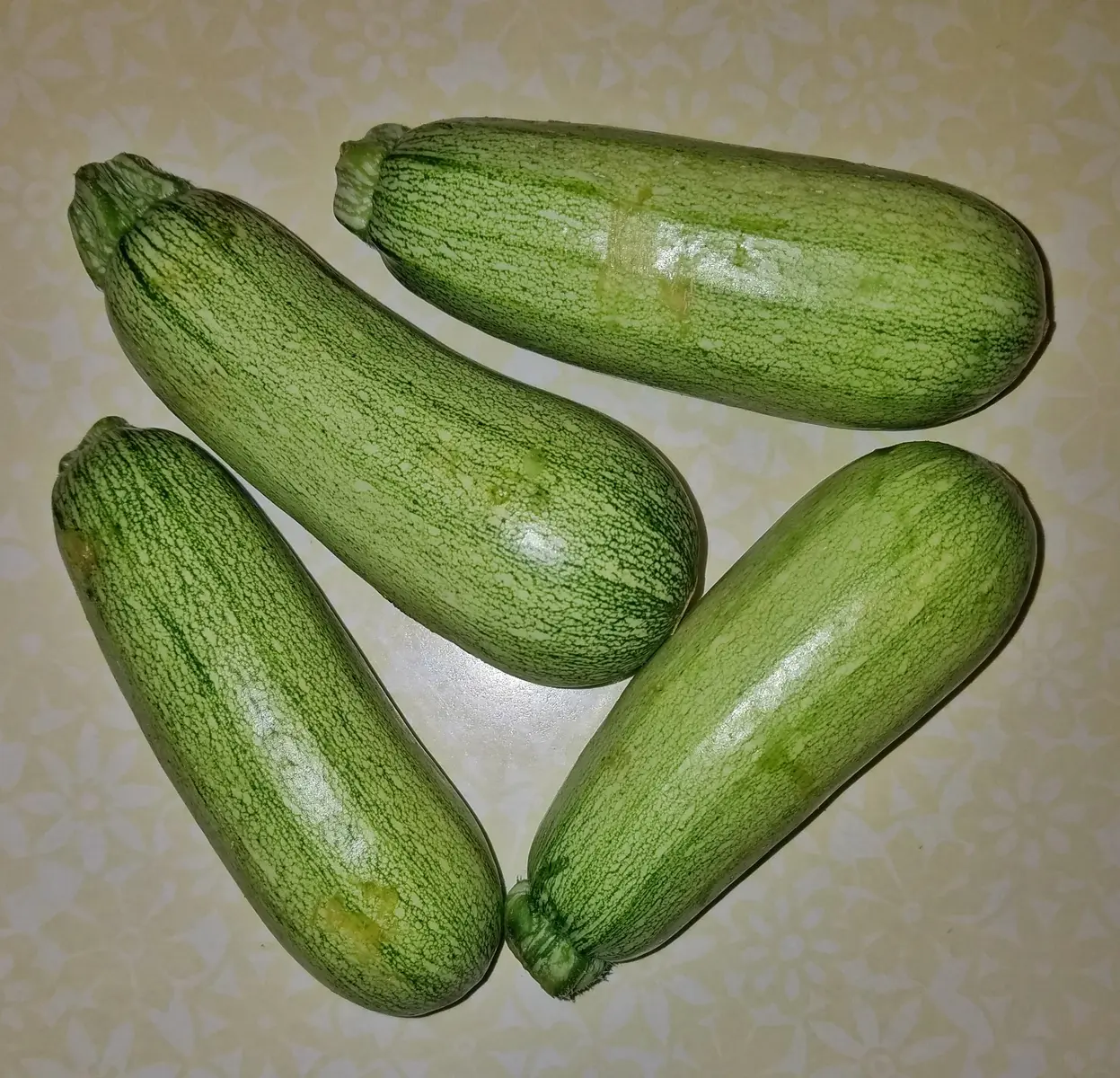
Preparation reference

Zucchini bitterness warning

Zucchini reference photograph
ZucchiniZucchini - Massachusetts.jpg · Daderot
CC0 1.0 Universal Public Domain Dedication · source and license

Use boundary: Use with the written safety instruction; the photograph does not prove safe preparation or toxin removal.

Open all safety image guides

Final gate · Approval 04

Book-assembly disposition

Status: Approved for book assembly with required safety box

Approved for informational book assembly only with the authoritative safety-and-limitations box retained beside the chapter text.

Specialist-review flags: None

Safety-box triggers: pit, poison, raw

Final gate checks

Review scope: Final source-completeness, structure, exclusion, and risk-triage review for book assembly. This is not a claim that an external specialist reviewed the chapter.

Book placement · Volume 5

Evidence Edition manuscript

Chapter 27 in The Food Glossary: Evidence Edition — Volume 5. The authoritative safety box is mandatory in every edition.

Recorded checks and sources7 displayed nutrient values checked against the exact USDA FDC record and food form.7 narrative statements source-linked; independent support review pending.Batch 11 · reviewed Oct. 8, 2026 · unlisted narrative sections remain outside this verified scope.

Named raw-form example · full chapter unreviewed

Squash, summer, zucchini, includes skin, raw

The broad glossary heading may cover more than one variety or preparation. This is a separate USDA raw-form example, not a nutrient value for every version of the food. A nutrient record is not evidence that a plant or part is safe to eat raw. Identity, edible part, and safe preparation still require their own sources.

Raw zucchini with skin

The named example is summer squash, zucchini, with skin and raw. Cooked, fried, canned, and peeled forms differ. University of Minnesota Extension describes harvesting zucchini while fruits are still tender; size and cultivar can vary.

USDA FoodData Central: raw zucchini · University of Minnesota Extension: growing zucchini

Nutrition for the stated form

USDA SR Legacy, per 100 g: Squash, summer, zucchini, includes skin, raw
Energy17 kcal
Protein1.21 g
Fat0.32 g
Carbohydrate3.11 g
Fiber1 g
Total sugars2.5 g
Potassium261 mg

USDA FoodData Central FDC 169291 · SR Legacy (final release, April 2018). Values describe only this named form, not all products or varieties.

Human experience evidence · Batch 19

What people experience—and what the evidence supports

Evidence mapped

Question: If zucchini tastes intensely bitter, can peeling, salting or cooking make it safe?

Repeated human experience

Multiple independent discussions describe homegrown or store-bought zucchini that looked normal but made an entire curry, fritter or meat dish intensely bitter. Some posters suggest peeling, removing seeds or masking the taste, while others discard the whole food. A few report symptoms, but anxiety, amount eaten and medical follow-up are inconsistent.

Authoritative explanation or control

Poison Control and university extension identify unusually bitter Cucurbita pepo as a possible high-cucurbitacin exposure. Reported symptoms include nausea, vomiting, diarrhea and abdominal pain, with dehydration and more severe effects possible. Cooking does not reliably remove the toxin, so strong bitterness is a stop signal rather than a seasoning problem.

What the evidence supports

Ordinary mild zucchini is not implicated. The evidence supports discarding an abnormally, intensely bitter fruit and food permeated by it; it does not support rescuing it by peeling, salting, adding acid or prolonged cooking. Home-saved seed and volunteer plants are important variables, but commercial fruit is not risk-free.

Limitations and safety boundary

Do not swallow a test portion. If a raw taste is intensely bitter, spit it out and discard the fruit; if bitterness has spread through a dish, discard the dish. For symptoms or a meaningful exposure, contact Poison Control or local urgent medical services, especially with persistent vomiting, dehydration, low blood pressure or confusion.

Open evidence records and sources

Human experience / Q&A

Independent public discussion threads

Finding: Multiple independent discussions describe homegrown or store-bought zucchini that looked normal but made an entire curry, fritter or meat dish intensely bitter. Some posters suggest peeling, removing seeds or masking the taste, while others discard the whole food. A few report symptoms, but anxiety, amount eaten and medical follow-up are inconsistent.

Supported conclusion: Ordinary mild zucchini is not implicated. The evidence supports discarding an abnormally, intensely bitter fruit and food permeated by it; it does not support rescuing it by peeling, salting, adding acid or prolonged cooking. Home-saved seed and volunteer plants are important variables, but commercial fruit is not risk-free.

Limitations: Online reports often lack confirmed cucurbitacin measurement and dose. Bitter perception differs, and no household method can quantify toxin concentration. The conservative control applies to distinctly abnormal bitterness, not normal zucchini flavor.

Evidence strength: Low: uncontrolled, self-selected reports; repetition is experiential only

Safety/current gate: Do not swallow a test portion. If a raw taste is intensely bitter, spit it out and discard the fruit; if bitterness has spread through a dish, discard the dish. For symptoms or a meaningful exposure, contact Poison Control or local urgent medical services, especially with persistent vomiting, dehydration, low blood pressure or confusion.

Authoritative / research control

Recognized poison-center guidance plus university extension control

Finding: Poison Control and university extension identify unusually bitter Cucurbita pepo as a possible high-cucurbitacin exposure. Reported symptoms include nausea, vomiting, diarrhea and abdominal pain, with dehydration and more severe effects possible. Cooking does not reliably remove the toxin, so strong bitterness is a stop signal rather than a seasoning problem.

Supported conclusion: Ordinary mild zucchini is not implicated. The evidence supports discarding an abnormally, intensely bitter fruit and food permeated by it; it does not support rescuing it by peeling, salting, adding acid or prolonged cooking. Home-saved seed and volunteer plants are important variables, but commercial fruit is not risk-free.

Limitations: Online reports often lack confirmed cucurbitacin measurement and dose. Bitter perception differs, and no household method can quantify toxin concentration. The conservative control applies to distinctly abnormal bitterness, not normal zucchini flavor.

Evidence strength: Recognized poison-center guidance plus university extension control; applicability limited to the stated food identity, form and population

Safety/current gate: Do not swallow a test portion. If a raw taste is intensely bitter, spit it out and discard the fruit; if bitterness has spread through a dish, discard the dish. For symptoms or a meaningful exposure, contact Poison Control or local urgent medical services, especially with persistent vomiting, dehydration, low blood pressure or confusion.

Associated records

These 1 links are organized by a matching whole-food name. Prepared products and ingredients have separate composition profiles. Confirm the identity and form on each page; a similar name alone is not proof.

Open earlier, unverified research notes
RESEARCH DRAFT — claims and any nutrient values are not yet approved for publication.

← Food Glossary Wiki

deep_review_batch004_public_source_targetsnutrition unverified

Zucchini — Food Glossary Book Research

Generated: 2026-09-26T10:57:11.684314+00:00

Status: starter_book_research

1. Identity / what it is

Zucchini, courgette, or Cucurbita pepo var. cylindrica is a summer squash, a vining herbaceous plant whose fruit are harvested when their immature seeds and epicarp (rind) are still soft and edible. It is closely related, but not identical, to the marrow; its fruit may be called marrow when mature.

Survival/category tags: fruit/foraged or cultivated edible, seasoning/medicinal-food plant

2. Nutrition snapshot

USDA FoodData Central match: null

  • USDA nutrition match still needed / not found in this batch pass.
  • 3. Growing / cultivation instructions

    Collect crop-specific growing instructions from Extension/agronomy sources: climate, soil, sunlight, propagation, planting, harvest stage, and common pests/diseases.

    Needed for final book: climate range, soil, sunlight, water, propagation, planting spacing, harvest signs, common pests, container/garden/wild context.

    4. Edible parts and nature/survival use

    Document edible parts, best harvest stage, field identification traits, and whether it is commonly wild-foraged, cultivated, or both.

    Survival note: positive identification is mandatory for wild foods; include local lookalikes and preparation requirements before recommending field use.

    5. Cooking and preparation instructions

    Collect culinary instructions: edible parts, raw vs cooked use, basic preparation, common traditional dishes, and safe cooking notes.

    Needed for final book: raw/cooked safety, basic prep, boiling/roasting/frying/drying/powdering, traditional uses, emergency/survival meal applications.

    6. Preservation and storage instructions

    Collect preservation instructions: fresh storage, drying/dehydration, freezing, pickling/fermenting, canning where safe, and shelf-life cautions.

    Book preservation checklist to fill per food:

  • Fresh storage: pantry/fridge/root cellar/freezer conditions.
  • Drying/dehydration suitability and prep.
  • Freezing suitability and blanching/pre-treatment if needed.
  • Pickling/fermentation suitability and safety.
  • Canning: water-bath only if high-acid/tested; pressure canning for low-acid foods; cite tested source.
  • Salt/sugar/oil preservation where safe.
  • 7. Interactions, pairings, transformations

    Collect pairings, preservation interactions, acid/salt/sugar/oil effects, culinary transformations, and foods this helps preserve or tenderize/flavor.

    8. Cautions / allergies / toxic lookalikes

    For survival/nature use: never eat wild lookalikes without positive identification; document toxic lookalikes, contraindications, allergies, and preparation requirements.

    9. Sources captured

  • Wikipedia summary: https://en.wikipedia.org/wiki/Zucchini — query `Zucchini`
  • USDA FoodData Central: not found — query `Zucchini raw`
  • National Center for Home Food Preservation: https://nchfp.uga.edu/
  • USDA Complete Guide to Home Canning: https://www.nifa.usda.gov/about-nifa/blogs/usdas-complete-guide-home-canning
  • University Extension preservation reference: https://extension.umn.edu/preserving-and-preparing
  • USDA Forest Service wild edible caution reference: https://www.fs.usda.gov/wildflowers/ethnobotany/edible.shtml
  • 10. Source JSON

    {
      "wiki": {
        "query": "Zucchini",
        "title": "Zucchini",
        "extract": "Zucchini, courgette, or Cucurbita pepo var. cylindrica is a summer squash, a vining herbaceous plant whose fruit are harvested when their immature seeds and epicarp (rind) are still soft and edible. It is closely related, but not identical, to the marrow; its fruit may be called marrow when mature.",
        "url": "https://en.wikipedia.org/wiki/Zucchini",
        "source": "Wikipedia summary API"
      },
      "fdc": {
        "query": "Zucchini raw",
        "error": "HTTPError: HTTP Error 429: Too Many Requests"
      },
      "generic_sources": [
        {
          "id": "nchfp_home_preservation",
          "title": "National Center for Home Food Preservation",
          "url": "https://nchfp.uga.edu/",
          "publisher": "University of Georgia / USDA-supported NCHFP",
          "use": "safe canning, freezing, drying, pickling, fermentation principles"
        },
        {
          "id": "usda_complete_guide_canning",
          "title": "USDA Complete Guide to Home Canning",
          "url": "https://www.nifa.usda.gov/about-nifa/blogs/usdas-complete-guide-home-canning",
          "publisher": "USDA/NIFA",
          "use": "pressure canning and water-bath canning safety"
        },
        {
          "id": "extension_food_safety",
          "title": "Extension food preservation resources",
          "url": "https://extension.umn.edu/preserving-and-preparing",
          "publisher": "University Extension",
          "use": "practical preservation and storage safety cross-check"
        },
        {
          "id": "poisonous_plants_general",
          "title": "Poisonous plant / wild food caution principle",
          "url": "https://www.fs.usda.gov/wildflowers/ethnobotany/edible.shtml",
          "publisher": "USDA Forest Service",
          "use": "wild edible plants require positive identification and local expert caution"
        }
      ]
    }

    Batch 008 checkpoint

    Reviewed in 20-food milestone batch 008 on 2026-09-26.

    Checkpoint status:

  • Starter identity/cooking/growing/preservation sections exist.
  • USDA nutrition still needs retry/manual verification.
  • Requires later book-ready pass for detailed Extension growing instructions, tested preservation instructions, survival/wild identification, toxic lookalikes, and final editorial polish.
  • Batch source reminders:

  • USDA FoodData Central: https://fdc.nal.usda.gov/
  • NCHFP preservation: https://nchfp.uga.edu/
  • USDA Complete Guide to Home Canning: https://www.nifa.usda.gov/about-nifa/blogs/usdas-complete-guide-home-canning
  • USDA Forest Service wild edible caution: https://www.fs.usda.gov/wildflowers/ethnobotany/edible.shtml
  • 20-food row-order checkpoint

    Milestone batch 008; row-order item 147/220; checked 2026-09-26.

  • [x] Starter book page exists.
  • [ ] USDA nutrition currently filled.
  • [ ] Needs deep source pass: Extension/FAO/growing, tested preservation, survival/wild identification, cautions/lookalikes, final book editing.
  • Book completion pass v1 — complete draft scaffold

    Completion date: 2026-09-26T16:56:24.746313+00:00

    Completion status: v1_complete_draft_needs_source_deepening

    Food type: general_food_entry

    Identity / recognition draft

    Zucchini, courgette, or Cucurbita pepo var. cylindrica is a summer squash, a vining herbaceous plant whose fruit are harvested when their immature seeds and epicarp (rind) are still soft and edible. It is closely related, but not identical, to the marrow; its fruit may be called marrow when mature.

    Survival/category tags: fruit/foraged or cultivated edible, seasoning/medicinal-food plant

    Nutrition draft

  • Protein: 0.984375 G per 100 g
  • Carbohydrate: 3.27 G per 100 g
  • Fiber: 0.7525 G per 100 g
  • Fat: 0.205 G per 100 g
  • Calcium: 20.85 MG per 100 g
  • Iron: 0.1945 MG per 100 g
  • Magnesium: 15.29 MG per 100 g
  • Phosphorus: 32.9 MG per 100 g
  • Potassium: 225.8 MG per 100 g
  • Sodium: 0.0 MG per 100 g
  • Zinc: 0.2605 MG per 100 g
  • Vitamin C: 15.0 MG per 100 g
  • Folate: 71.0 UG per 100 g
  • Growing / cultivation draft

    Collect climate, sunlight, soil, water, propagation, planting/spacing, harvest signs, and common pests/diseases from Extension/agricultural sources.

    Nature / survival draft

    For survival use, document whether it is wild, cultivated, or naturalized; which parts are edible; harvest season; preparation requirements; and dangerous lookalikes. Do not recommend wild eating without positive identification.

    Cooking / preparation draft

    Document raw/cooked safety, cleaning, cutting, boiling/roasting/frying/steaming/drying/powdering, common dishes, and emergency low-tool preparation methods.

    Preservation / storage draft

    Document fresh storage, freezing, drying/dehydration, pickling/fermentation, canning suitability, salt/sugar/oil/vinegar methods, shelf-life, and spoilage signs. Use tested canning sources for shelf-stable methods.

    Interactions / transformations draft

    Document how Zucchini interacts with other foods: acidity, sweetness, starch, oil, salt, aromatics, thickening, fermentation, tenderizing, preservation support, flavor pairing, and texture changes through heat/drying/freezing.

    Safety / lookalikes draft

    Document allergies, toxic lookalikes, unsafe raw forms, drug/condition cautions, and preservation risks such as botulism in low-acid canning or fresh herbs/garlic in oil.

    Source targets for final citation pass

  • USDA FoodData Central for nutrition: https://fdc.nal.usda.gov/
  • NCHFP preservation safety: https://nchfp.uga.edu/
  • USDA Complete Guide to Home Canning: https://www.nifa.usda.gov/about-nifa/blogs/usdas-complete-guide-home-canning
  • University Extension growing/preservation pages specific to this food.
  • FAO/CABI/Extension crop profiles for cultivation and survival/agricultural context.
  • Regional wild-food/foraging sources only when they include identification and lookalike cautions.
  • Final v1 publication boundary

    Completed v1 packaging: 2026-09-28T05:04:32.703969+00:00

    Status: book_entry_v1_complete_source_scaffolded

    This chapter is finished as a Food Glossary v1 research/wiki entry. Before print publication or survival advice use, perform final editorial review for wording, citations, local identification, toxic lookalikes, and tested preservation/canning details. Do not add uncited cure claims.

    Final natural-growth library v2 package status

    Finalized: 2026-09-28T16:17:47.337022+00:00

    Status: `final_v2_food_entry_with_nutrition_source_scaffolded`

    Scope: natural/growable food library; animal farming/meat/dairy/eggs/fish intentionally excluded.

    Source stream: original Food Glossary short list

    Category: unknown

    Nutrition status: accepted USDA/local nutrition table present

    Book-use boundary

    This entry is included in the completed v2 wiki/book scaffold. Before print/public survival guidance, verify exact identity, edible parts, toxic lookalikes, contraindications, and preservation safety from authoritative sources.

    Required final editorial checklist

  • [ ] Confirm exact common/scientific identity.
  • [ ] Confirm edible part(s) and unsafe parts.
  • [ ] Confirm raw/cooked safety and required preparation.
  • [ ] Confirm growing/foraging region and harvest stage.
  • [ ] Confirm preservation method from tested/authoritative sources.
  • [ ] Confirm toxic lookalikes/allergies/contraindications.
  • [ ] Confirm nutrition table is exact or explicitly mark no standard table.
  • [ ] Attach final citations per claim.
  • Deep expert-source review — Batch 004

    Reviewed: 2026-09-29T01:02:21.660341+00:00

    Review status: `deep_review_batch004_public_source_targets`

    Scientific/identity target: Exact scientific name pending taxonomy verification; use GBIF/WFO/CABI/PFAF/Extension source during final editorial pass.

    Public expert citations / source targets captured

  • [USDA_FDC] USDA FoodData Central search for Zucchini: https://fdc.nal.usda.gov/fdc-app.html#/food-search?query=Zucchini
  • [NCHFP] National Center for Home Food Preservation safety hub: https://nchfp.uga.edu/
  • [USDA_CANNING_GUIDE] USDA Complete Guide to Home Canning: https://nchfp.uga.edu/resources/category/usda-guide/
  • [GBIF] GBIF taxonomy search for Zucchini: https://www.gbif.org/species/search?q=Zucchini
  • [WFO] World Flora Online search for Zucchini: https://www.worldfloraonline.org/search?query=Zucchini
  • [EXTENSION_GENERAL] Cooperative Extension search for Zucchini: https://www.google.com/search?q=site%3Aextension.org+Zucchini
  • [CABI] CABI search for Zucchini: https://www.cabidigitallibrary.org/action/doSearch?AllField=Zucchini
  • Review notes

    This entry now has public expert source targets for nutrition, growing/cultivation, edible parts, cooking/preparation, preservation/storage, taxonomy, and cautions/lookalikes where relevant. These are preserved for the book review workflow. Final publication still requires claim-by-claim verification against the exact pages and any local/regional safety rules.

    Verification checklist

  • [x] Nutrition source target captured.
  • [x] Growing/cultivation source target captured.
  • [x] Preservation/storage safety source target captured.
  • [x] Taxonomy/identity source target captured.
  • [x] Caution/lookalike/medical source target captured where relevant.
  • [ ] Exact claim-by-claim editorial verification.