Repeated human experience
Some households report years of eating leftover rice without illness; others describe acute vomiting and warn that reheating cannot undo poor storage.
Book readiness · Identity 07
Book readiness · Publication 04
Visual orientation
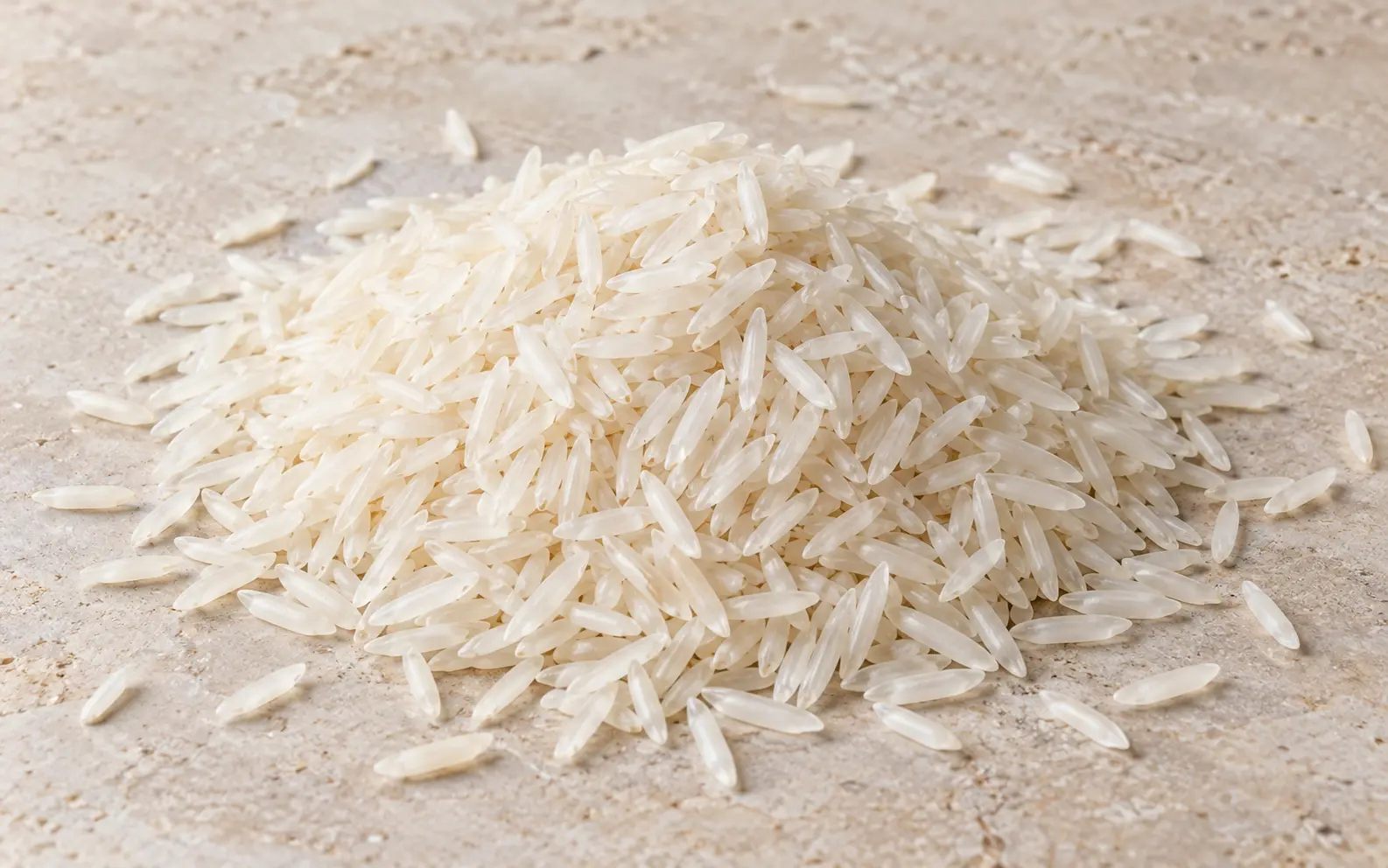
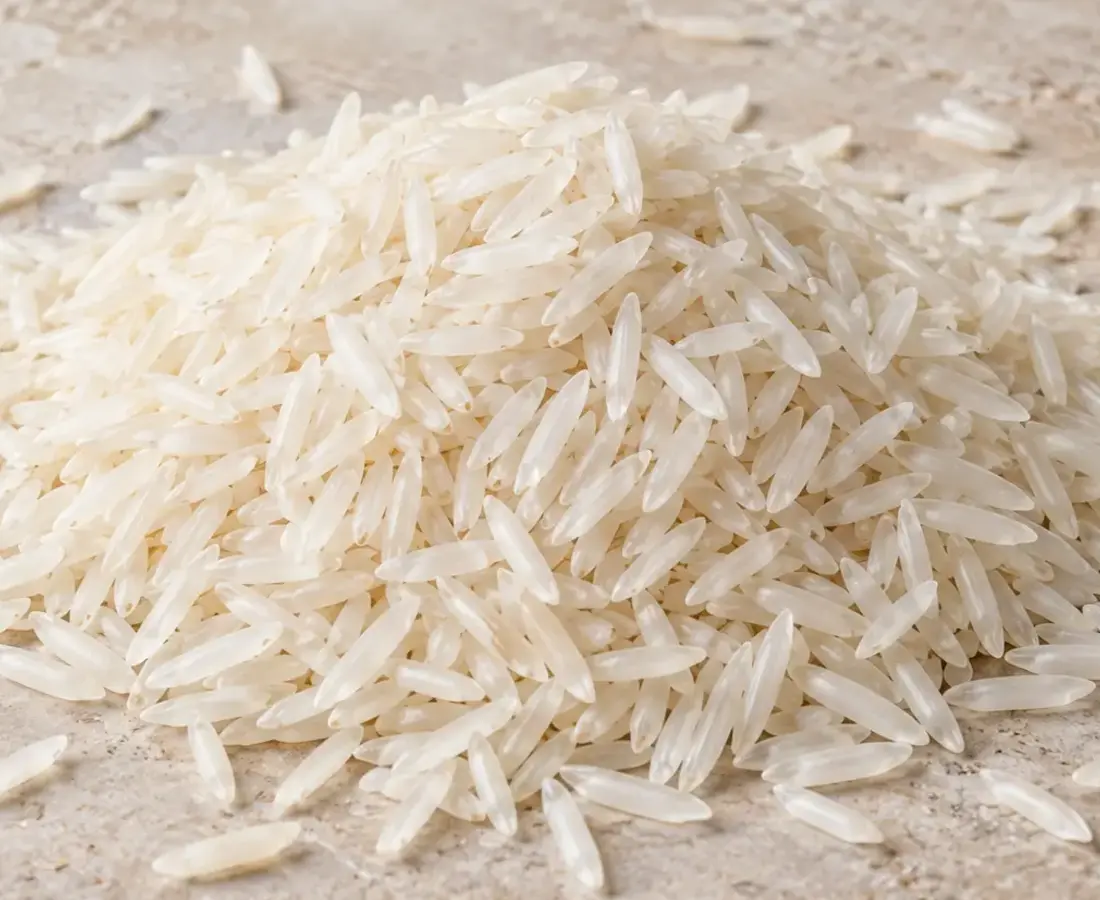
Editorial boundary: These AI-generated orientation images must not be used to identify wild foods, judge edibility, prove safe preparation, or diagnose spoilage. The verified safety-image panel and written guidance control where present.
Book readiness · Rewrite 04
White long-grain enriched rice, dry and uncooked. Scientific identity: Oryza sativa L.; generic long-grain white market class. Edible part: Milled dry grain before cooking. Exact source form: Rice, white, long-grain, regular, raw, enriched, corresponding to USDA FoodData Central FDC 168877.
Question: Is reheated rice inherently dangerous, or is storage time and temperature the real issue?
Repeated experience: Some households report years of eating leftover rice without illness; others describe acute vomiting and warn that reheating cannot undo poor storage.
FDA identifies preformed cereulide from some Bacillus cereus strains and advises refrigerating prepared foods within two hours; Food Code controls emphasize rapid cooling and temperature control.
Reheating is not the original hazard. Risk rises when cooked rice spends too long warm, allowing growth or toxin formation, and past luck does not prove a method safe.
Exclude or qualify: Do not merge this chapter with: Brown, medium- or short-grain, parboiled, jasmine, basmati, wild rice, cooked rice, flour, noodles, beverages, and finished dishes. Remove or qualify medical-treatment, universal-safety, cross-species, cross-part, cross-product, and cross-preparation claims unless an exact source is reviewed for that wording.
| Layer | Disposition | Sources |
|---|---|---|
| Identity And Form | supported for bounded scope | [1] [2] [3] [4] |
| Human Experience | experience documented not generalized | [5] |
| Authoritative Control | supported control | [4] |
| Supported Conclusion | supported with stated limits | [5] [4] |
| Safety And Limitations | required boundary | [1] [2] [3] [4] |
Review status: This controlled rewrite uses the adjudicated identity, food-form, human-experience, authoritative-control, conclusion, and safety fields. It replaces broader legacy prose for this chapter layer but does not constitute final specialist or publication approval.
Verified human-taken photographs
These cleared reference photographs support the written safety guidance. They do not prove that a wild specimen is edible, that a preparation is safe, or that spoiled food can be rescued.
Preparation reference
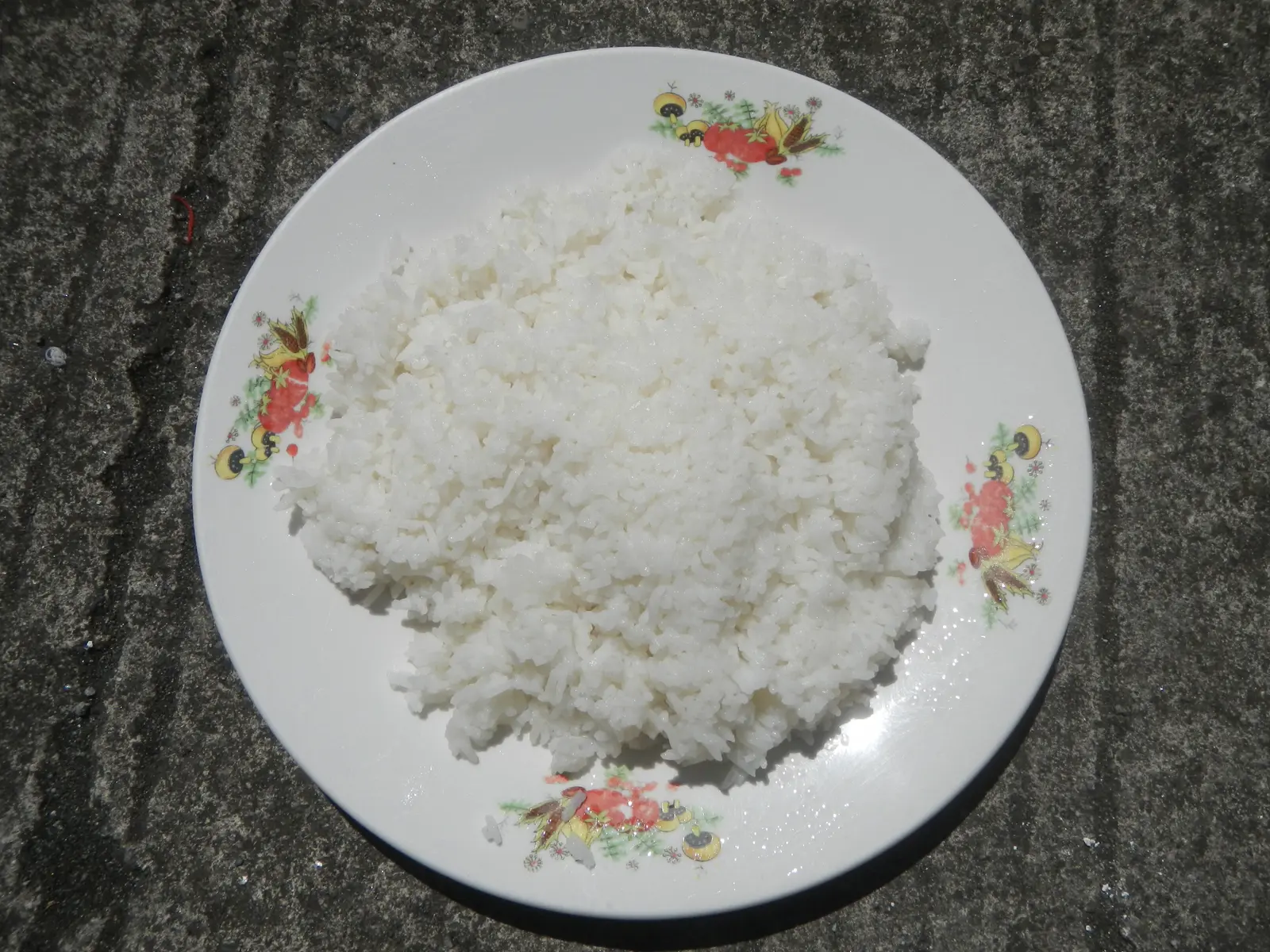
Use boundary: Use with the written safety instruction; the photograph does not prove safe preparation or toxin removal.
Identification reference
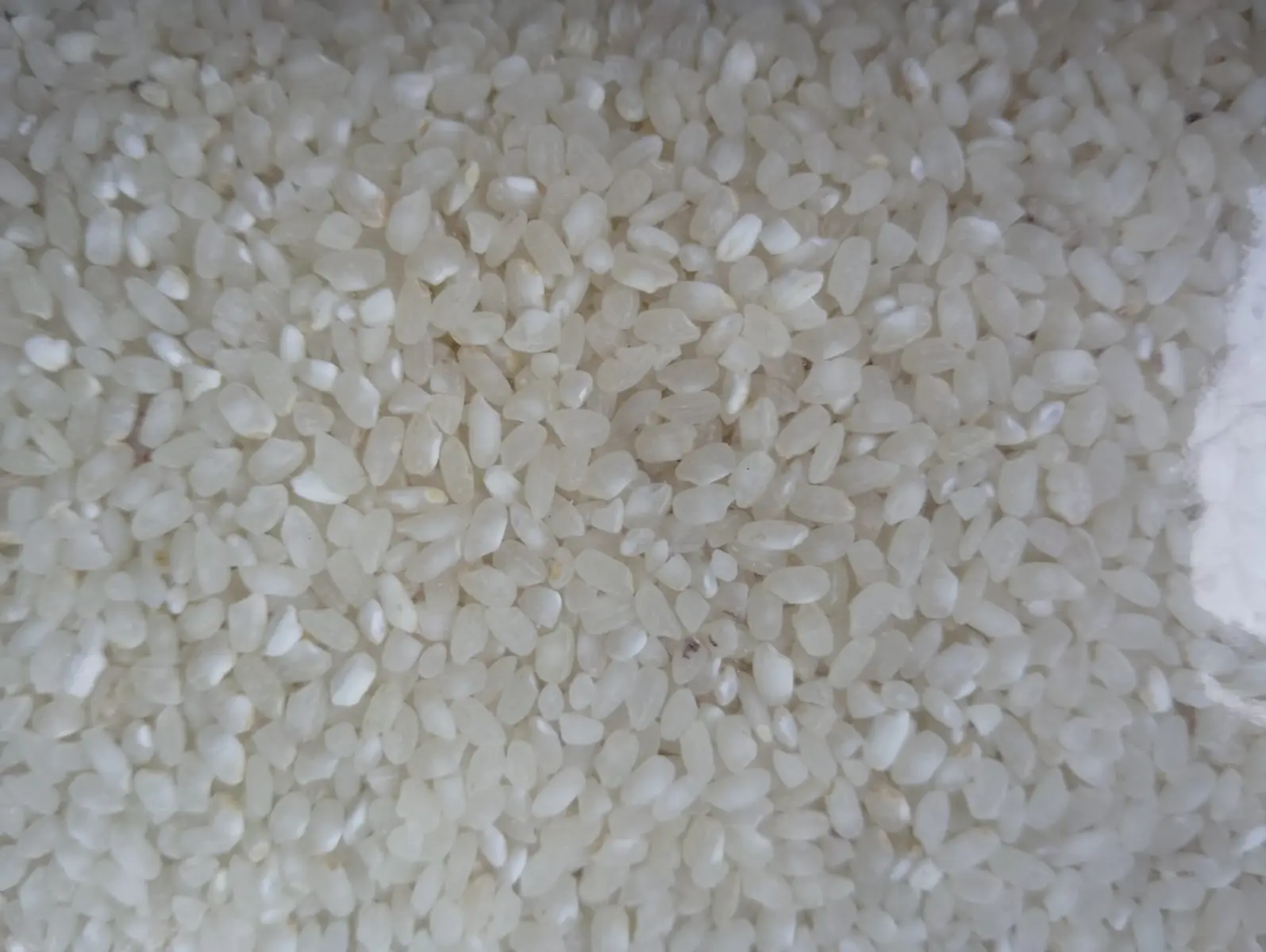
Use boundary: Reference only. Do not identify wild food, toxicity, or edibility from a photograph alone.
Final gate · Approval 03
Status: Approved for book assembly with required safety box
Approved for informational book assembly only with the authoritative safety-and-limitations box retained beside the chapter text.
Specialist-review flags: None
Safety-box triggers: refrigerat, wild
Review scope: Final source-completeness, structure, exclusion, and risk-triage review for book assembly. This is not a claim that an external specialist reviewed the chapter.
Book placement · Volume 5
Chapter 4 in The Food Glossary: Evidence Edition — Volume 5. The authoritative safety box is mandatory in every edition.
Corrected USDA food/form panel · other claims unreviewed
white long-grain rice, raw and enriched; not all rice. Other chapter claims unverified. The earlier mismatched or broader nutrient assignment is not used here. This panel describes only the named food and preparation, not every food sold under the glossary heading. A nutrient record does not establish raw-consumption safety.
The USDA example here is dry, enriched white long-grain rice. It is not a cooked-rice serving or a brown-rice panel; cooking water changes values per 100 grams. Cool cooked rice promptly in shallow portions and refrigerate leftovers rather than leaving a pot at room temperature for extended periods.
USDA Food Buying Guide: grain forms · USDA FSIS: leftovers and food safety
| Energy | 365 kcal |
|---|---|
| Protein | 7.13 g |
| Fat | 0.66 g |
| Carbohydrate | 80 g |
| Fiber | 1.3 g |
| Total sugars | 0.12 g |
| Potassium | 115 mg |
USDA FoodData Central FDC 168877 · SR Legacy (final release, April 2018). Values describe only this named form, not all products or varieties.
Human experience evidence · Batch 03
Question: Is reheated rice inherently dangerous, or is storage time and temperature the real issue?
Some households report years of eating leftover rice without illness; others describe acute vomiting and warn that reheating cannot undo poor storage.
FDA identifies preformed cereulide from some Bacillus cereus strains and advises refrigerating prepared foods within two hours; Food Code controls emphasize rapid cooling and temperature control.
Reheating is not the original hazard. Risk rises when cooked rice spends too long warm, allowing growth or toxin formation, and past luck does not prove a method safe.
Give clear cooling, refrigeration and discard rules; never use smell or a final reheat as the sole safety test.
Reddit cooking discussion
Finding: Users report long uneventful histories, acute illness stories and conflicting storage practices.
Supported conclusion: Reveals how absence of prior illness drives risk underestimation.
Limitations: Illness source is rarely laboratory confirmed.
Evidence strength: Mixed experience and risk-perception signal
Safety/current gate: Yes
FDA
Finding: FDA identifies heat-stable preformed cereulide and requires time-temperature control; leftovers should be refrigerated within two hours.
Supported conclusion: Supports rapid-cooling and storage guidance.
Limitations: Home risk depends on actual time and temperature, which are often unknown.
Evidence strength: Official food-safety guidance
Safety/current gate: Yes
These 124 links are organized by a matching whole-food name. Prepared products and ingredients have separate composition profiles. Confirm the identity and form on each page; a similar name alone is not proof.
Nutrition for white long-grain rice, raw and enriched; not all rice. USDA record: Rice, white, long-grain, regular, raw, enriched.
| Nutrient | Amount |
|---|---|
| Energy | 365 kcal |
| Protein | 7.13 g |
| Fat | 0.66 g |
| Carbohydrate | 80 g |
| Fiber | 1.3 g |
| Calcium | 28 mg |
| Iron | 4.31 mg |
| Magnesium | 25 mg |
| Phosphorus | 115 mg |
| Potassium | 115 mg |
| Sodium | 5 mg |
| Zinc | 1.09 mg |
| Vitamin A, RAE | 0 µg |
| Vitamin C | 0 mg |
| Folate, total | 231 µg |
USDA FoodData Central FDC 168877, SR Legacy (April 2018).
Identity, preparation safety, growing, preservation, and health claims are not yet approved. No field-use or canning guidance is established here.